Irrigation Services in North Carolina
Efficient Watering for a Healthier Landscape
Full-Service Irrigation Solutions
Custom Irrigation Installation
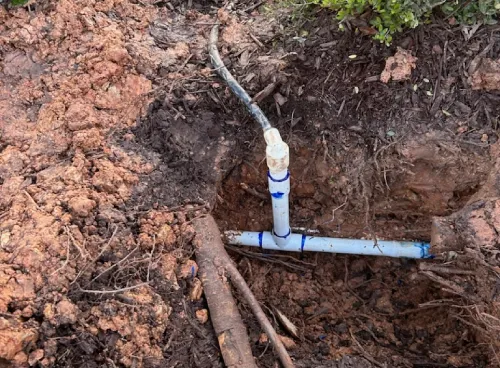
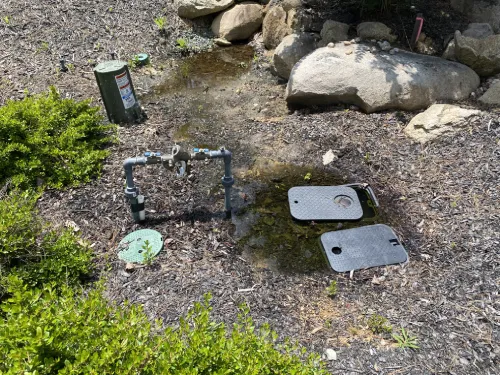
Expert Irrigation Repair
Seasonal Maintenance: Winterization and Startup
Why Trust Southern Land Pros with Your Irrigation?
Water Conservation and Efficiency
Fast, Reliable Response
Comprehensive Landscape Care
Services
Irrigation Services
An irrigation system is a network designed to deliver water to landscapes to ensure adequate moisture levels for plant growth. These systems can be tailored for various applications. The primary types of irrigation systems include:
- Drip Irrigation: Delivers water directly to the plant roots through a network of tubing and emitters, minimizing evaporation and runoff.
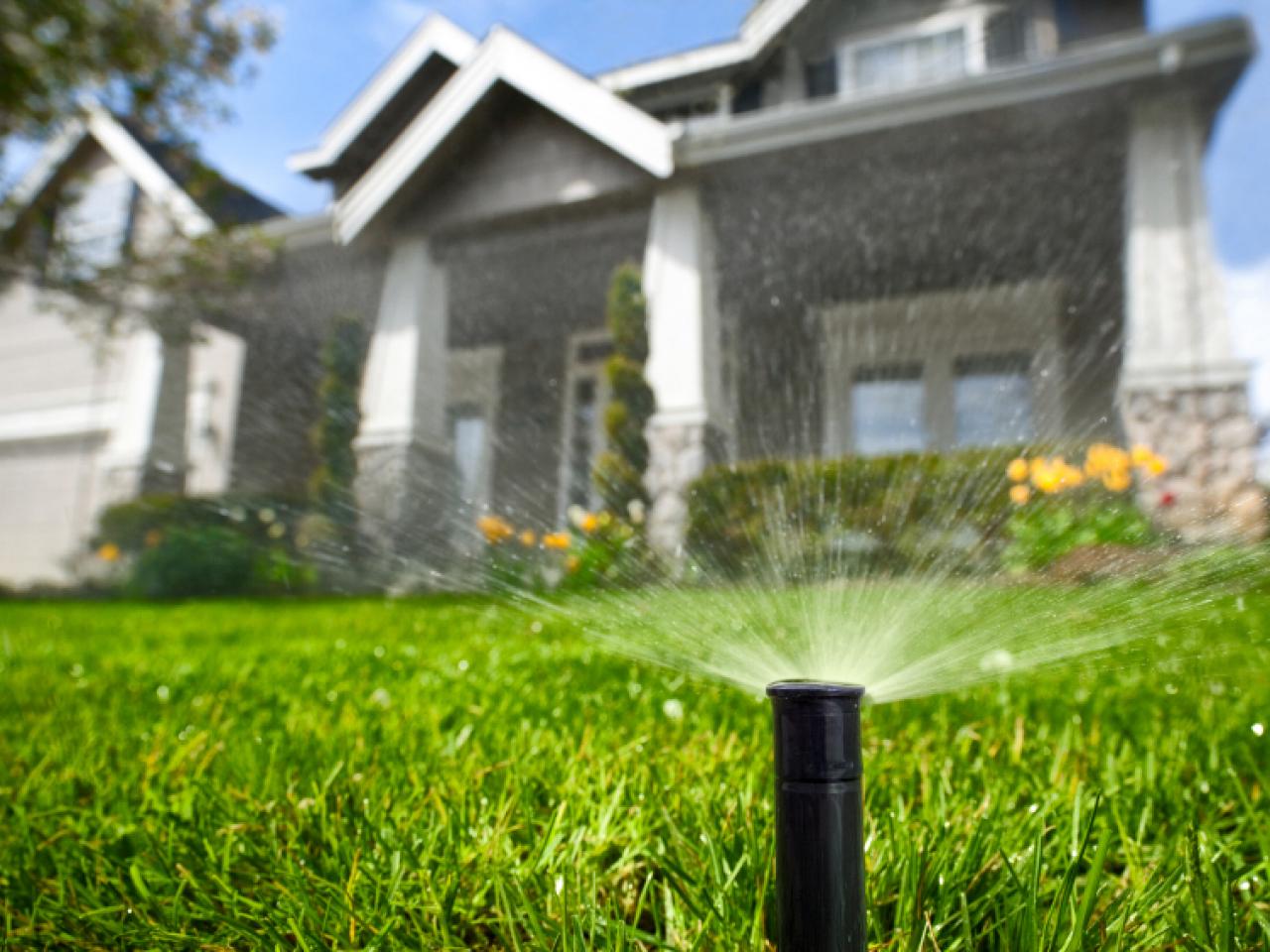
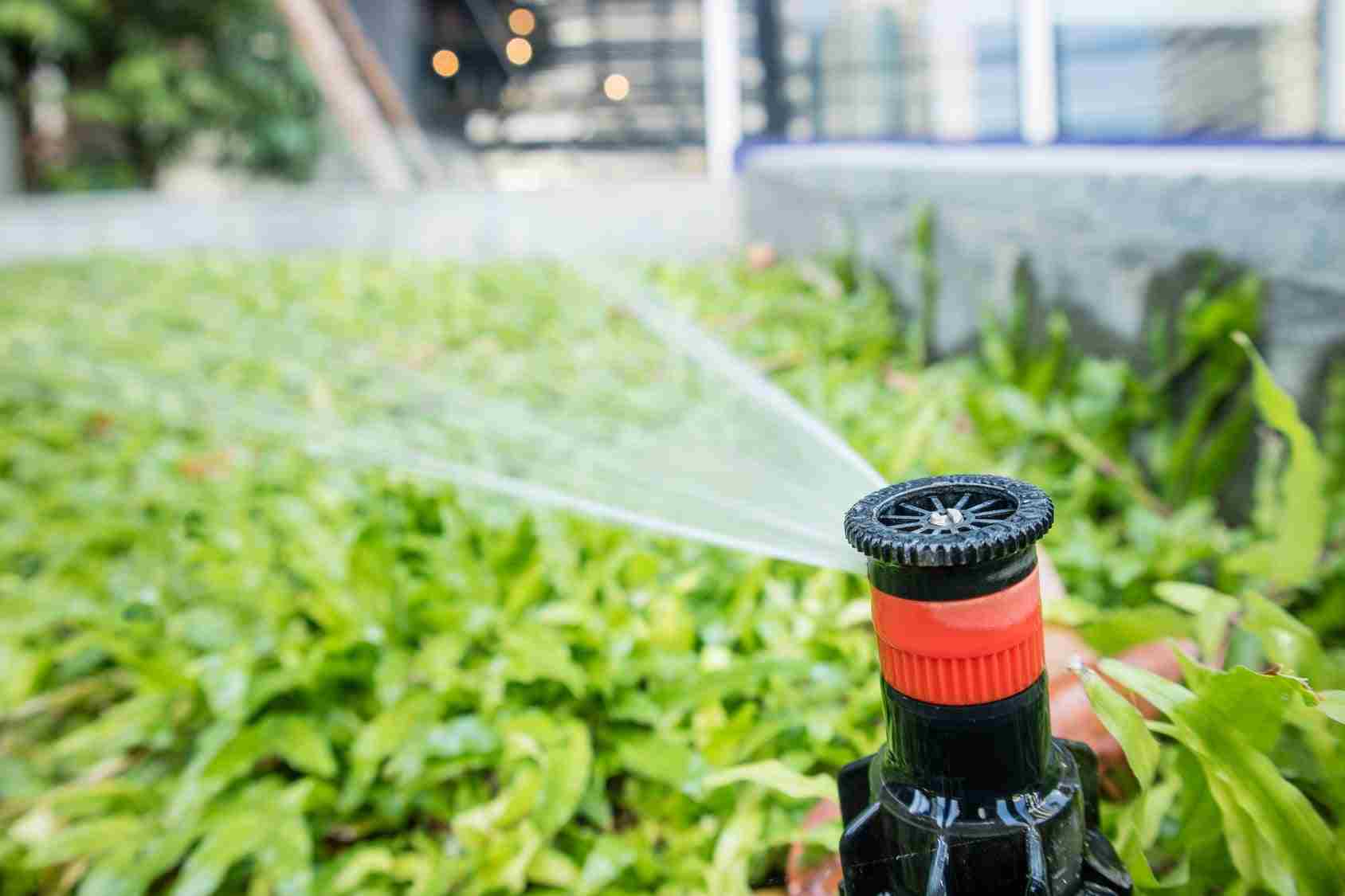
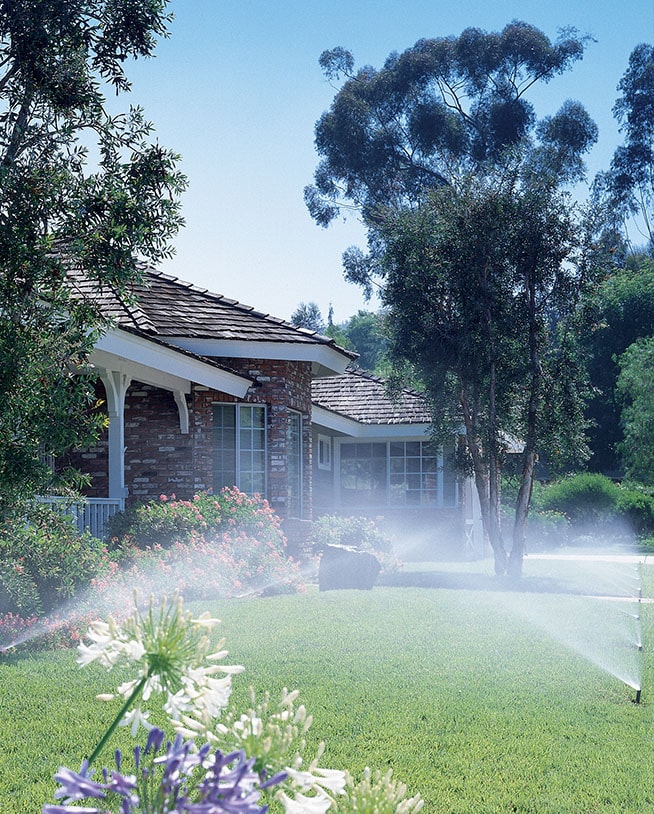
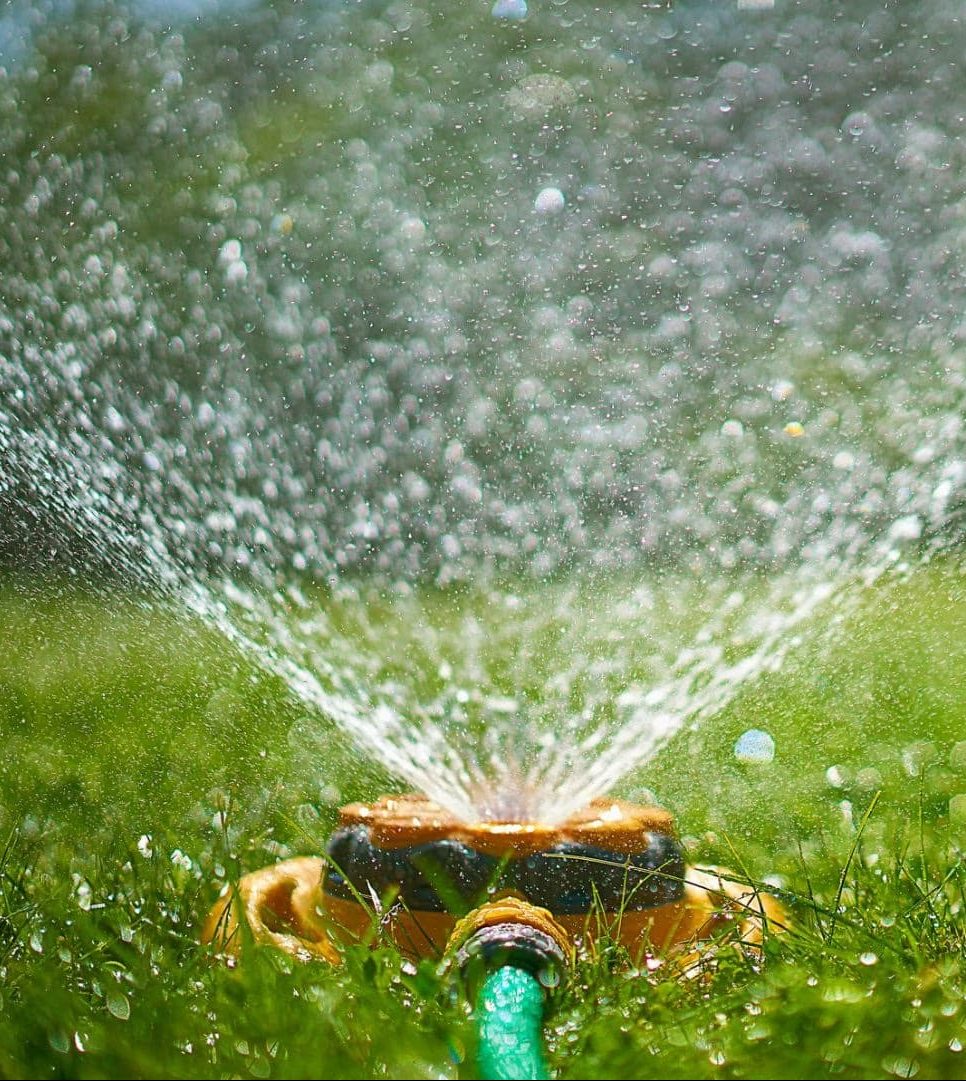
- Sprinkler Irrigation: Uses pumps to distribute water through a system of pipes and sprinklers that spray water over the area, simulating natural rainfall.
- Surface Irrigation: Involves the direct application of water to the soil surface, allowing it to flow across the field through gravity.
- Subsurface Irrigation: Involves buried tubing that delivers water directly to the root zone, reducing evaporation and surface runoff.
Drip Irrigation
Delivers water directly to the plant roots through a network of tubing and emitters, minimizing evaporation and runoff.
Sprinkler Irrigation
Uses pumps to distribute water through a system of pipes and sprinklers that spray water over the area, simulating natural rainfall.
Surface Irrigation
Involves the direct application of water to the soil surface, allowing it to flow across the field through gravity.
Subsurface Irrigation
Involves buried tubing that delivers water directly to the root zone, reducing evaporation and surface runoff.
Benefits of Irrigation Systems
Better Plant Quality: Provides consistent moisture, enhancing plant growth and productivity.
Water Efficiency: Reduces water waste through targeted application.
Flexibility: Can be adjusted for different plant types and environmental conditions.
Soil Management: Helps maintain soil health by preventing erosion and nutrient loss.
Installation of an Irrigation System
1. Planning
Site Assessment: Evaluate the area’s soil type, drainage, and water availability.
Design Layout: Create a plan for the irrigation system, determining the type of system, placement of pipes or tubing, and zones based on plant needs.
2. Choosing Components
Pipes and Tubing: Select materials suitable for the system (PVC, polyethylene, etc.).
Emitters or Sprinklers: Choose based on the water needs of the plants and the layout.
Pump: If necessary, select a pump that can deliver the required flow rate and pressure.
Filters and Pressure Regulators: To ensure clean water and optimal pressure for efficient operation.
3. Installation Steps
- Mark the Layout: Clearly mark where pipes, emitters, or sprinklers will be placed.
- Trench Digging: If using underground systems, dig trenches for pipes.
- Pipe Installation: Lay out and connect pipes according to the design, ensuring proper sealing and alignment.
- Emitter/Sprinkler Setup: Install emitters or sprinklers at designated locations, ensuring they are spaced appropriately for coverage.
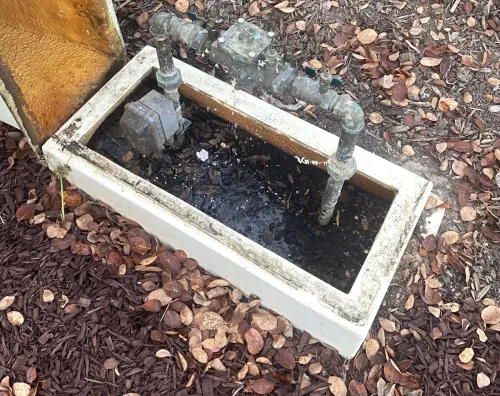
- Connection to Water Source: Attach the system to the main water supply, ensuring the right fittings and connections.
- Testing: Turn on the system to check for leaks, pressure, and uniform water distribution.
- Adjustments: Make any necessary adjustments to emitter flow rates or sprinkler placements for optimal coverage.
Irrigation Maintenance
Regular Checks: Inspect the system for clogs, leaks, or damage.
Seasonal Preparation: Prepare the system for seasonal changes, like winterization or adjustments for plant growth.
Monitoring: Keep track of water usage and plant health to optimize irrigation schedules.
An efficient irrigation system is crucial for maintaining healthy plants and optimizing water usage. Proper planning, installation, and maintenance ensure long-term benefits and sustainable water management.